
Professional Attic Restoration
Attic mold removal South Florida
Humid weather, frequent storms, moisture, and heat cause mold growth in South Florida attics. Factors that contribute to mold include condensation, HVAC issues, insufficient ventilation, and roof leaks. You must notice the signs of attic mold such as moisture, dark spots, moldy odor, or condensation.
Adkins Pro provides expert services for attic mold removal in South Florida. We perform proper evaluation to identify the extent of contamination. We focus on correcting the moisture source and performing expert remediation to make your attics free of mold contamination.
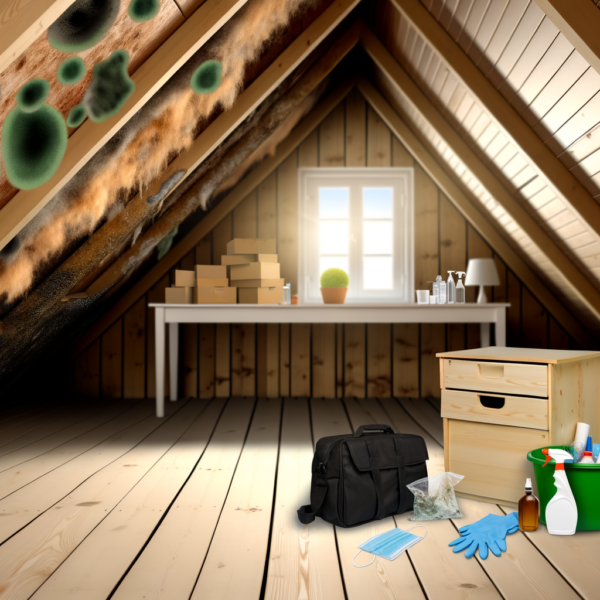
Expert Evaluation
Root-Cause Moisture Correction & Proper Remediation
Regional Factors
Reasons for frequent attic mold in South Florida?
Common causes of frequent attic mold in South Florida include:
Roof leaks
Bathroom exhaust fans venting into attic
Insufficient ventilation
Plumbing errors
Ductwork leaks
High humidity
Damaged roof materials
Improper attic insulation
Water intrusion due to storm
Condensation
Cleaning attic mold without addressing the root cause will not help in the long run. Identification and correction of moisture-source is an essential step of remediation.
Warning Indicators
Attic mold signs you need to consider
Sometimes, attic mold doesn’t show up early. You must not ignore the signs including:
Moldy odor
If you notice moldy smell in your attic, it may indicate microbial growth.
Condensation or moisture
Wet insulation, condensation, notable moisture, or water stains provide a suitable environment for mold growth.
Wet or damaged insulation
Professional assessment of insulation is done to check compressed, stained, wet, or contaminated insulation.
Insufficient ventilation
If attic ventilation is not sufficient, moisture may increase in an attic and cause mold development.
Dark spot
White, brown, black, or green spots may indicate the requirement of professional assessment.
Plumbing or roof leaks
Recent roof or plumbing leaks may cause high levels of moisture causing mold growth.
Visible mold
If visible mold is present in attics, a thorough evaluation is helpful rather than simply cleaning the mold.
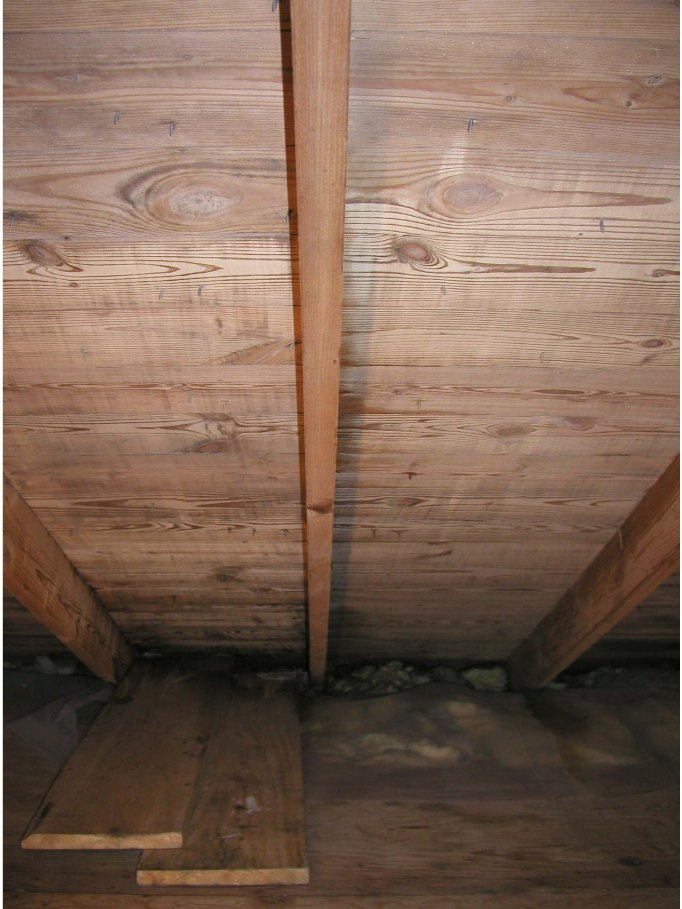
Source Analysis
Common causes of attic mold?
If you know the reasons for attic mold, you may better identify how to prevent it. These are some common causes:
Roof leaks
Storms, damaged flashing, shingles, or roof penetration may expose water to the attic.
Bathroom exhaust fans
If bathroom exhaust fans vent into the attic, humid air may condensate the surfaces. Always install exhaust fans in a way that they vent outdoors.
Poor ventilation
To help control moisture and heat, proper ventilation is essential in attics. It will prevent moisture accumulation.
Damaged insulation
Damaged insulation will lead to temperature fluctuation causing condensation.
HVAC issues
Poorly insulated HVAC, condensation, or leaking ducts will also cause moisture buildup.
Storms or hurricanes
Roofing systems may damage due to storms or hurricanes and make pathways for water intrusion.
Step-by-Step Remediation
The process of attic mold removal by experts
Addressing mold contamination and correcting the source of moisture are indispensable for the remediation process.
Step 01Attic inspection
A professional mold expert will evaluate the attic for visible mold, ventilation issues, moisture, water damage, and possible cause of moisture.
Step 02Moisture detection
If moisture issues are not handled effectively, mold will continue to develop. An expert may evaluate:
- Ductwork
- Insulation
- Roof leaks
- Ventilation
- Plumbing errors
- HVAC issues
- Condensation
- Exterior water intrusion
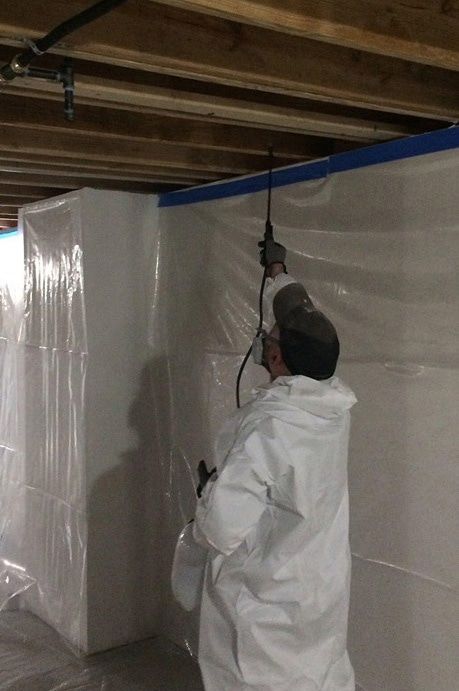
Step 03Use of containments
If the project is complex and mold is spread to a larger area, containments and other controls are used to prevent the spread of dust and debris during remediation.
Step 04Clean and treat contaminated surfaces
Affected surfaces including rafters, trusses, and roof decking are cleaned by using appropriate methods. Experts not only remove visible mold; they clean and remove contaminated goods and correct the moisture source.
Step 05Removal of contaminated materials
Materials that are highly contaminated and cannot be cleaned are removed such as contaminated porous materials and damaged insulation.
Step 06Dry the attic
Moisture is controlled by drying the attic properly. Remediation is not completed if the area is not dried completely.
Step 07Last evaluation
Evaluation after remediation is the process of inspecting the attics. A professional mold assessor will make sure the remediation process was performed as per expectations.
Protocol & Guidelines
Attic mold testing
Mold testing may not be suggested for every mold project. A professional mold service provider may evaluate the attic for mold contamination and suggest a remediation plan without any testing.
Testing may be advised if:
- The source of moldy smell is not identified
- Mold is not visible but suspected
- A post-remediation verification is required
- Extent of contamination is not confirmed
- Documentation proofs are required for insurance claims and property transactions
An expert mold assessor will not rely on sampling and will focus on moisture-source detection and identifying the extent of contamination.
Fungi Distinction
Attic Mold vs Attic Mildew
Mold and mildew are used differently in daily conversation but they are both types of fungi. Professional assessment will declare what type of contamination is present and what is the root cause of moisture buildup.
The color of mold doesn’t describe the actual type of mold and whether it is harmful or not. Dark-colored attic mold is not always “black mold”.
Hazard Assessment
Does Black mold in the attic indicate hazard?
The presence of black attic mold doesn’t mean that the entire property is not livable. The hazard of mold is based on many factors including:
- Location of mold
- Moisture conditions
- Extent of contamination
- Is mold is spread to occupied areas
- If contaminated materials are disturbed
- Individual conditions
The proper remediation process involves moisture-source correction, evaluation of contamination, and removal of mold without only focusing on color of mold.
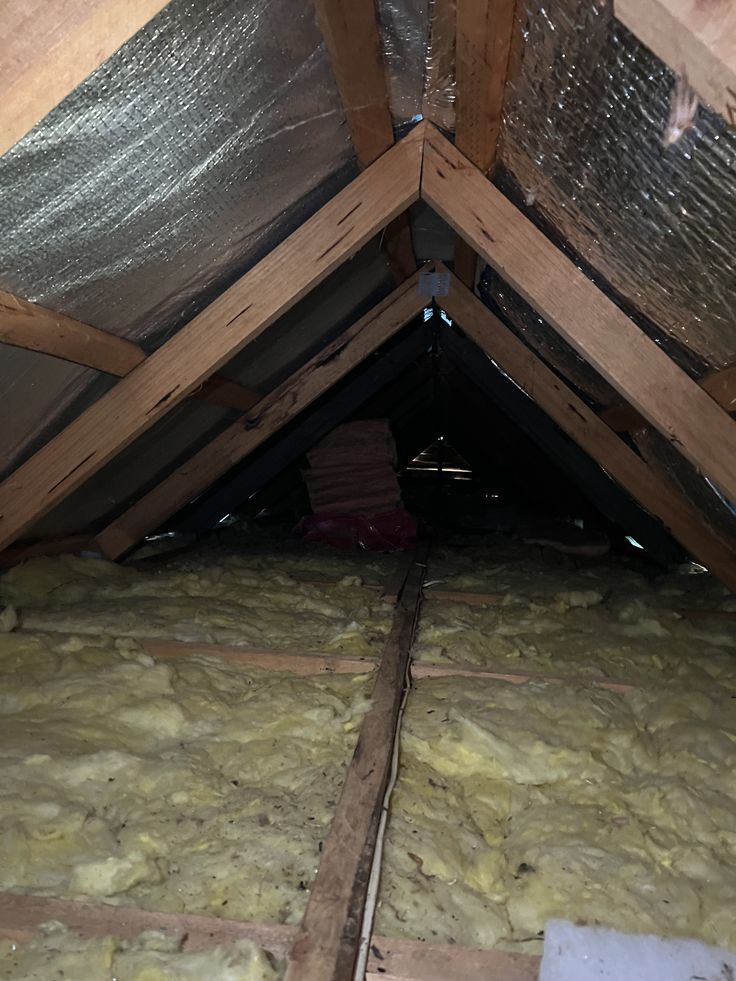
The Adkins Pro Advantage
Why choose Adkins Pro for attic mold removal?
Successful remediation involves a systemized process rather than spraying chemicals on the mold. Our expert team always focuses on:
Moisture-source identification
Cleaning affected surfaces
Identifying the extent of contamination
Using advanced methods
Containment barriers where necessary
Helping avoid mold development again
Providing fair recommendations according to the evaluation
We provide practical and effective solutions instead of only cleaning visible mold.
Common Inquiries
FAQs
How to detect attic mold?
If your attic indicates dark stains on wood, condensation, moisture, moldy smell, damaged insulation, or water stains, these signs may indicate mold development in the attic.
Is attic mold frequent in South Florida?
Yes, due to humid weather conditions and other factors, attic mold is frequent in South Florida.
Can mold come back in the attic after mold removal?
If moisture levels are not corrected, attic mold may return after cleaning.
Is it essential to test attic mold?
A professional will evaluate the attic to identify the extent of contamination. It is not always advised to test attic mold if mold is visible.
Can you clean mold from attic wood?
If the contamination is not extreme, attic wood may be cleaned professionally. But, if the materials are highly contaminated, removal may be essential.
Do I need to remove attic insulation?
Insulation may need to be replaced, if it is highly contaminated or damaged. The decision is made according to the condition, type, and amount of contamination.
How much time does it take for attic mold removal?
The timeline of attic mold removal will be decided considering the size of attic, moisture source, amount of contamination, and availability.
Expert Remediation
Get professional attic mold removal in South Florida
If mold is present in your attic, do not use cleaners to clean the visible growth. It is always important to find the reasons behind mold growth.
Professional mold assessors focus on detection of moisture sources and provide an effective remediation process. Prevention measures are also taken to stop further mold development.