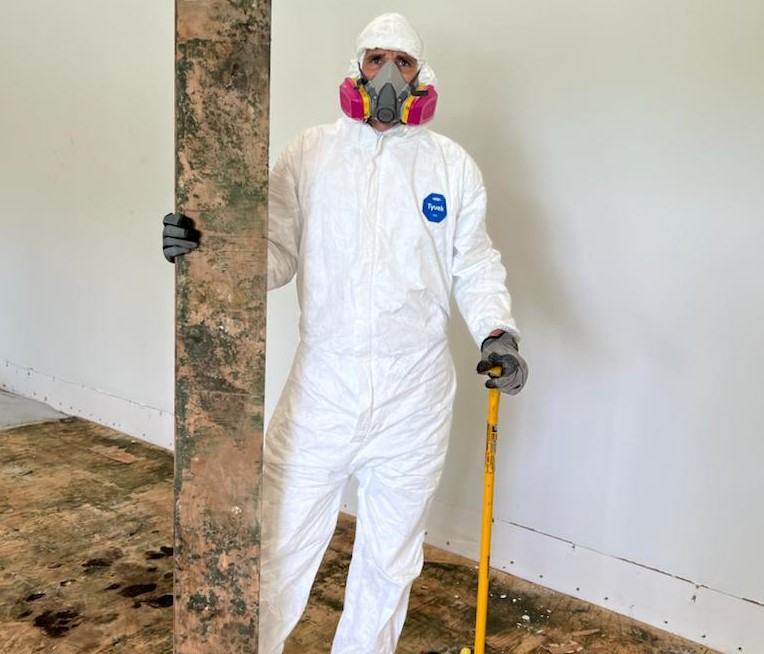
Professional Remediation Solutions

Black mold removal South Florida

When properties experience a humid environment, moisture, and inadequate ventilation, they may develop black mold which is relatively more complicated. Due to the changing climates of South Florida, taking measures to prevent mold are very imperative.

When you notice dark-colored mold on attic wood, ceilings, insulation, drywall, or walls, it will be the time to call an expert for accurate evaluation and dealing with the causes of moisture.

Our company has a well-trained team experienced to handle mold issues very professionally. We follow a customized plan according to the individuality of the project.
Identification & Facts

What is black mold?

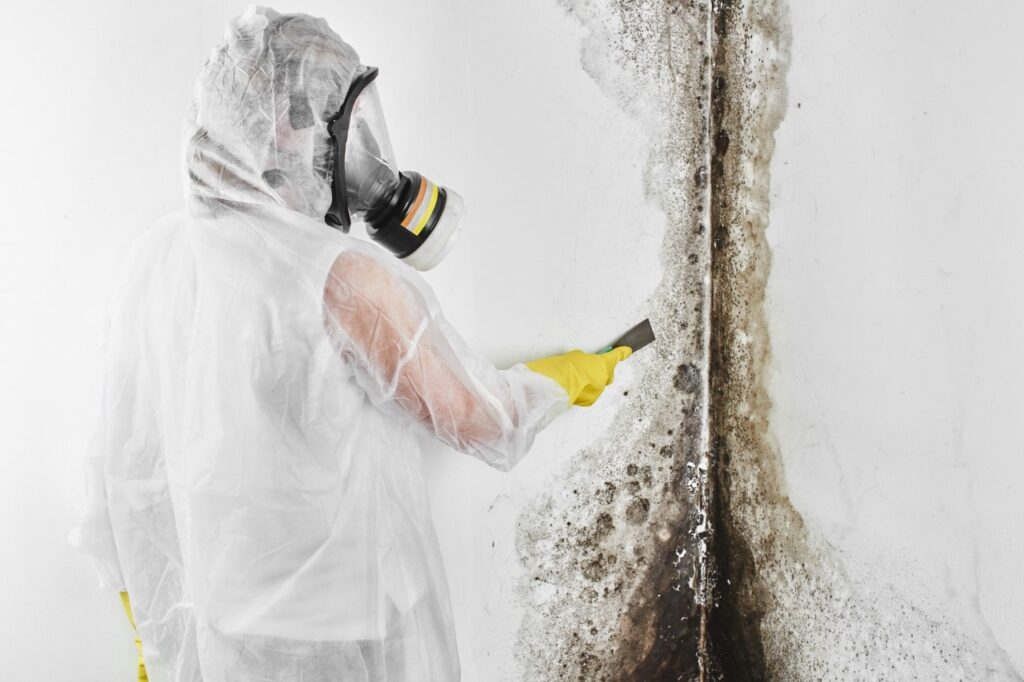
The term ‘Black mold’ is used to define mold developed in a dark color. Stachybotrys chartarum is one of the species associated with black mold. However, other types of molds may appear dark-colored or black. Mold species are not identified only by their color.

Therefore, every dark-colored mold is not always ‘Toxic black mold’. Homeowners must find the moisture-source and remediate the area for reliable results.

Environmental Causes

What are the reasons behind frequent black mold in South Florida?

As moisture leads to mold growth, many factors can cause moisture buildup in Florida homes. These include;

Inadequate bathroom ventilation

Plumbing or roof leaks

Excessive humidity

Air-conditioning issues

Poor ventilation in attic

Water intrusion

Condensation

Water damage due to flooding

Deteriorated building materials

Water intrusion due to hurricanes or storms

Mold will come again if you do not correct the moisture issues in your property.

Warning Signs

Signs of black mold

Professional inspection can better determine if the mold growth is associated to black mold. However, these signs may indicate black mold:

Moldy smell

A constant moldy smell can be a sign of microbial growth inside the attics, wall, ceilings, or other surfaces.

Water damage

Conditions that indicate water damage may also be a sign of mold development. These signs may include bubbling drywall, damaged flooring, peeling paint, or water stains.

Dark-colored mold growth

If you see dark-colored patches on wood, ceilings, walls, or flooring, it may indicate the development of black mold.

Moisture buildup

Mold growth develops quickly if damp drywall, extreme moisture, wet insulation, or condensation is present.

Repeated mold development

An unresolved moisture issue may also lead to repeated mold development.

Mold growth in hidden areas

If moisture is trapped in hidden areas such as behind drywall, around HVAC, inside cabinets or under flooring, mold may develop.

Inspection Locations

Areas where black mold is frequent

Black mold may be found in:

Kitchens

Under sinks

Around showers

Attics

Laundry area

Crawl spaces

Basements

Around HVAC

Around windows

Inside wall cavities

Around plumbing

It is essential to inspect the areas with humidity, temperature fluctuations, condensation, or excess moisture.

Remediation Methodology

Professional process of black mold removal

Using cleaning chemicals will not resolve the mold issues. It needs a thorough remediation plan that includes:

Step 01Evaluation

Evaluation of the property and areas where mold may be found is the initial step to identify the extent of mold issues.

Step 02Moisture recognition

To resolve the moisture issues, it requires inspection of:

Step 03Identifying the amount of mold

Inspection helps determine whether mold is only developed to a limited area or spread to porous materials such as drywall, insulation, or other areas.

Step 04Containment barriers are used

If the mold is spread to a larger area, containment barriers are used to avoid mold-spores from spreading.

Step 05Removal of contaminated materials

Some materials that are highly contaminated should be removed to avoid further mold development. These may include:

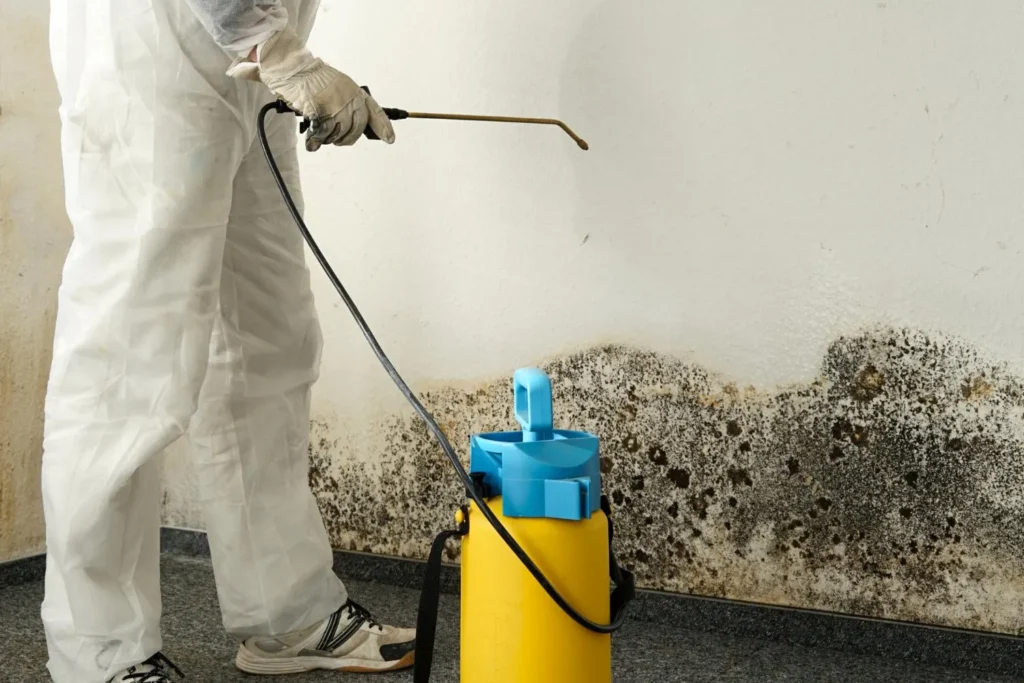
Step 06Cleaning contaminated surfaces

Affected surfaces are cleaned by using advanced tools and methods. The methods are selected according to the extent of contamination, type of mold, and condition of the area.

Step 07Drying out

It is very important to completely dry out the area and correct moisture sources before remediation.

Step 08Evaluation after remediation

Final evaluation is essential to determine if the remediation process was effective or requires further cleaning.

Health & Safety

Is black mold unsafe?

Black mold may cause health hazards, particularly for people who are sensitive to allergies. The possible impact depends on several factors such as the amount of contamination, individual vulnerability, and exposure duration.

Toxic black mold is mostly determined as dangerous mold which can grow quickly. However, every dark-colored mold is not necessarily actual black mold.

A professional evaluator can better determine if the suspected dark-colored mold is actually black bold or not.

Specialist Value

Choosing professional black mold remediation

If mold is recurring, extensive, or unseen, professional evaluation is very helpful. Professional mold specialist will:

Professional mold experts will not only remediate the property but also address the conditions leading to mold development.

Adkins Pro Advantage

Choose Adkins Pro for black mold removal in South Florida

Every mold project requires a customized plan of remediation. We aim to focus on addressing the causes of mold growth to avoid mold growth again. We focus on:

Inspecting black mold

Mold remediation

Attic mold removal

Mold testing if needed

Identification of moisture-source

Bathroom mold removal

Mold related to water damage

Removal of contaminated materials

Evaluation after remediation

We are always available for your mold issues, no matter what is the reason behind mold development.

Frequently Asked Questions

FAQs

How to remove black mold effectively?

Choosing the appropriate method depends on the extent of contamination and affected materials. Remediation process often includes cleaning the affected area, removing affected materials, drying the area, and moisture-source detection.

No, all black molds are not stachybotrys. Different types of molds may be found in black color.

If you do not handle the source of moisture, it may lead to recurrent black mold development.

Testing black mold is not always essential. If the mold is visible, a mold inspector may suggest a suitable remediation plan without asking for testing.

Regular bleaching agents are not recommended to treat black mold. Professional evaluation and remediation are suggested for highly contaminated areas.

There is no accurate timeline for black mold removal. Different factors affect the timeline including accessibility, amount of mold, size of the area, and required repairs.

Black mold often develops in South Florida homes due to its fluctuating weather conditions.

Mold may develop in hidden areas if moisture is trapped. These areas include plumbing fixtures, inside walls, behind drywall, near windows, or under flooring.

Reliable South Florida Experts

Ask for professional mold services in South Florida

Cleaning the area repeatedly is not helpful if black mold or dark-colored mold is present in your property. It is very important to determine the reasons behind mold growth and the extent of contamination.

We are experienced and reliable mold service providers through a systemized process of mold inspection, cleaning, removal of contaminated materials, remediation, identification of moisture source, and evaluation after completion of process.

Schedule an appointment by calling our team. Our expert will inspect the area and opt for an appropriate remediation plan.